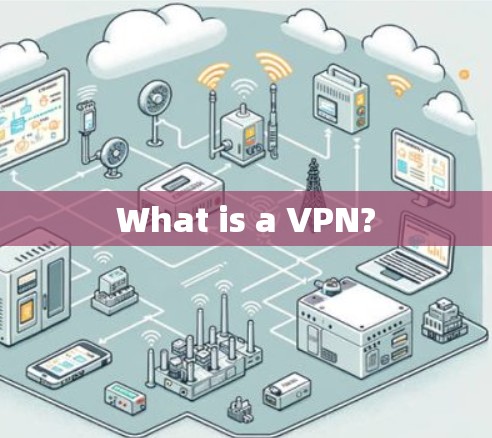
What is a VPN?
 免费梯子
免费梯子 You mentioned "iosvpn," but it seems like you might be asking about VPN services or how to use VPNs on your computer. If you're looking for information about VPNs, here's a general overview: A VPN (Virtual Private Network) is a software or online service that securely tunnels data over an internet connection to another network, often a slower or less public network. This allows users to access websites, download files, or communicate over a public or slow internet connection without being tracked or monitored.
Types of VPNs:
- Tor: A popular VPN service that uses a distributed network of satellites to encrypt internet traffic. It's often used for anonymity and privacy.
- Bit casual: A popular VPN service that offers user-friendly features, such as remote desktop access and private browsing.
- Lightway: A VPN service that provides a variety of features, including remote desktop, file sharing, and more.
- OpenVPN: A free, open-source VPN service that allows users to create their own VPN configurations.
- 2FA (Two-Factor Authentication): Many VPNs offer two-factor authentication to add an extra layer of security.
Benefits of Using a VPN:
- Secure connections: VPNs encrypt your internet traffic, making it harder for hackers to access your accounts.
- Privacy: VPNs can help you avoid tracking your internet activity, which is important for online privacy.
- Convenience: VPNs allow you to access websites from any location, even if you're not on the internet.
- Privacy settings: Some VPNs offer features like privacy filters and an online presence, which can help you stay anonymous.
Risks of Using a VPN:
- Phishing attacks: VPNs can be targets for phishing attacks, where attackers trick you into revealing sensitive information.
- Scams: Some VPN services may offer deals or hidden fees that can be tricky to avoid.
- Malware: Some VPNs may be targets for malware or viruses.
- Speed issues: Some VPNs may be slow or unreliable, especially on certain devices.
How to Choose a VPN:
- Features: Look for a VPN that offers the features you need, such as remote desktop, file sharing, and privacy settings.
- Speed: Choose a VPN that is fast and reliable for your needs.
- Security: Look for a VPN that has a good track record and is regularly updated to fix security vulnerabilities.
- Price: Consider the cost of the VPN and whether it offers value for money.
How to Use a VPN on Your Computer:
- Download the VPN service: Choose a VPN provider or service and download the client software.
- Set up your account: Create an account with your email and password, and set up any additional settings you need.
- Connect to a server: Use the VPN client to connect to a remote server or serverless service.
- Use the VPN: Access your websites, download files, or communicate using the VPN.
If you're asking about something specific about VPNs, feel free to provide more details, and I can give you more targeted information!
@版权声明
转载原创文章请注明转载自网络梯子推荐2026|精选优质高速线路,低延迟稳定连接,满足办公学习娱乐多场景需求,网站地址:https://hotelsilverland.com/